38 Special vs 9mm: Nearly the Same Bullet, Double the Pressure
The bullets are two thousandths of an inch apart. The pressure ceilings are more than double. One maker’s line loaded in both settles the energy question.

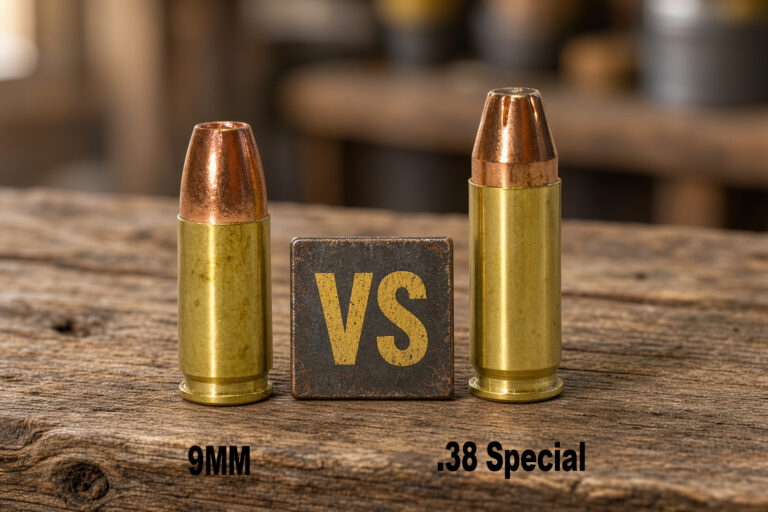
The bullets are two thousandths of an inch apart. The pressure ceilings are more than double. One maker’s line loaded in both settles the energy question.
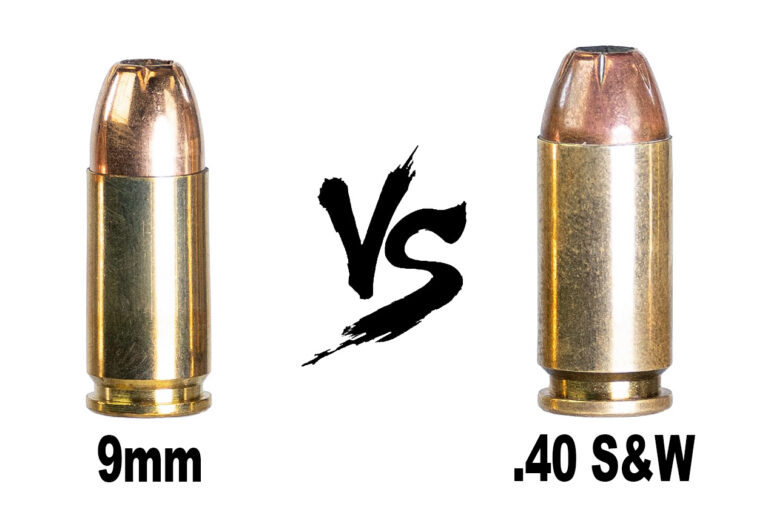
Both are loaded to 35,000 psi and tested in the same 4-inch barrel. Hornady publishes both at 1,010 fps — which makes the comparison unusually clean.

Buy the 9mm — more rounds, far less recoil, cheaper practice. But the popular reason why is a misreading of the document everyone cites, and the FBI’s own earlier paper says the opposite. We quote both, because they disagree.
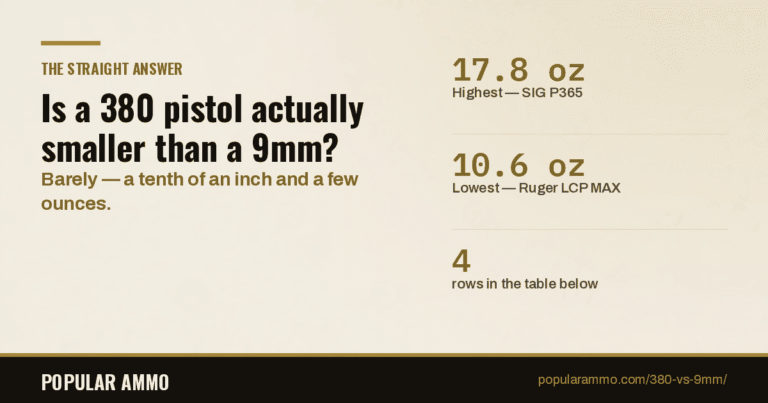
9mm wins on the numbers — 1.63 times the pressure ceiling, roughly 1.8 times the energy once barrel length is controlled. But the comparison is measured dishonestly at the source, including by SAAMI and by the ammunition makers, and almost nobody says so.
Federal HST, Speer Gold Dot and Hornady Critical Duty are the right answers — but the usual reason given for them does not survive the published gel data. Manufacturer specs, third-party test numbers and live prices, all sourced.

Case-lot prices read automatically from one retailer’s product pages; background-check and policy figures checked by hand, each with its own date. There is no ammunition shortage — there is a price problem driven by copper, brass and tariffs.
Caliber comparisons, ballistics and pressure references, price and availability checks, and what changed in the law — for shooters, hunters and reloaders.
Published by Brand Avalanche Media, Inc.
Caliber comparisons, price checks and law changes — delivered free to your inbox.
Subscribe Free