30-06 Ammo: Bullet Weights, Velocity and the Garand Question
30-06 ammo fires a .308-inch bullet, most often 150 to 180 grains, at about 2,700 to 2,900 fps, with a SAAMI maximum average pressure of 60,000 psi.
Last updated: October 11, 2026 · Originally published October 4, 2026
The .30-06 has been filling deer camps longer than most of us have been alive, and it is still on the shelf for a reason. Adopted by the U.S. military in 1906 and carried through two world wars, it settled into civilian hands as the all-purpose American hunting cartridge: light bullets for speed, heavy ones for bigger game, and enough case capacity to do both without feeling specialized. Versatile, powerful, and still easy to find, it remains the round a lot of rifles were built around.
Safety note. Fire only ammunition marked for your rifle’s chamber. Before shooting commercial 30-06 in an M1 Garand or another gas-operated military rifle, confirm on the manufacturer’s page that the load is represented as safe for that rifle. Velocities below are each maker’s published figures, and your barrel may differ. Popular Ammo has no affiliate or paid relationship with any maker named here.
What I want you to walk away with
- SAAMI sets 60,000 psi maximum average pressure for .30-06 Springfield, with a 1:10 twist.
- It fires the same .308 inch bullet as the .308 Winchester, from a longer case: 2.494 inches against 2.015.
- Federal’s Power-Shok loads run 150 grains at 2,910 fps and 180 grains at 2,700 fps.
- For an M1 Garand, the Civilian Marksmanship Program points you to loads the maker says are safe in semiautomatics.
30-06 vs 308: The Numbers
| .30-06 | .308 Win | |
|---|---|---|
| Bullet diameter | .308 in | .308 in |
| Case length | 2.494 in | 2.015 in |
| Max length | 3.340 in | 2.810 in |
| Max pressure | 60,000 psi | 62,000 psi |
| Twist | 1:10 | 1:12 |
ANSI/SAAMI figures as compiled in the Popular Ammo rifle caliber chart.
The .30-06 case is almost half an inch longer, at a slightly lower maximum pressure. The two are not interchangeable in any way: different case, different chamber, different magazine length. For more on the .308 side, read our 308 vs 7.62×51 breakdown.

30-06 Ammo by Bullet Weight
| 150 gr (3006A) | 180 gr (3006B) | |
|---|---|---|
| Muzzle velocity | 2,910 fps | 2,700 fps |
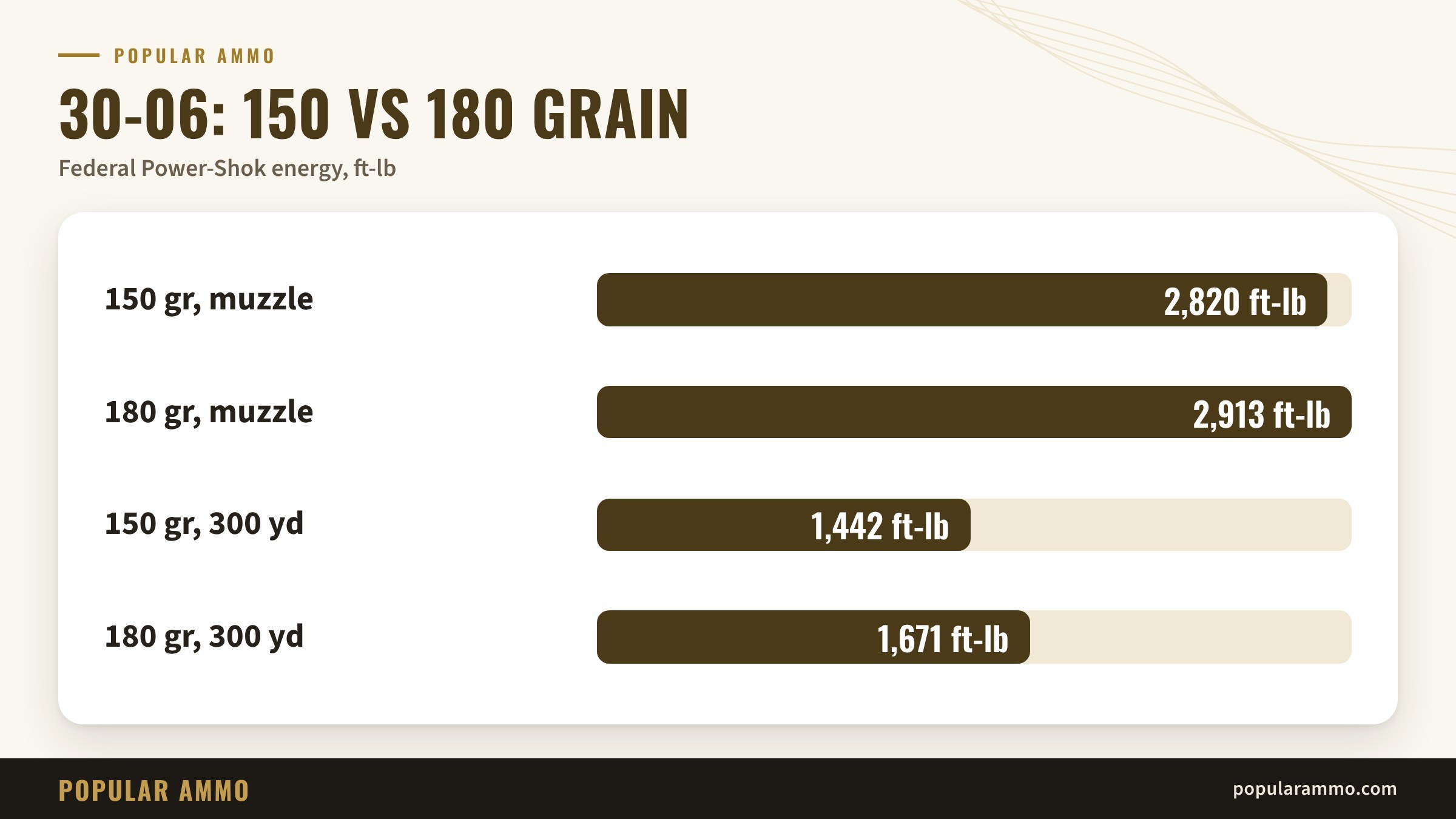
| Muzzle energy | 2,820 ft-lb | 2,913 ft-lb |
| 300 yd velocity | 2,081 fps | 2,045 fps |
| 300 yd energy | 1,442 ft-lb | 1,671 ft-lb |
| Ballistic coefficient | .313 | .385 |
Federal Premium product pages, checked September 2026.
Look at the 300-yard column. The 150 grain leaves faster, but the 180 grain, with its higher ballistic coefficient, carries more energy at 300 yards: 1,671 ft-lb against 1,442. If you want to run your own numbers, Guns and Gadgets Daily’s ballistic calculator shows drop and energy at any range.
Is Commercial 30-06 Safe in an M1 Garand?
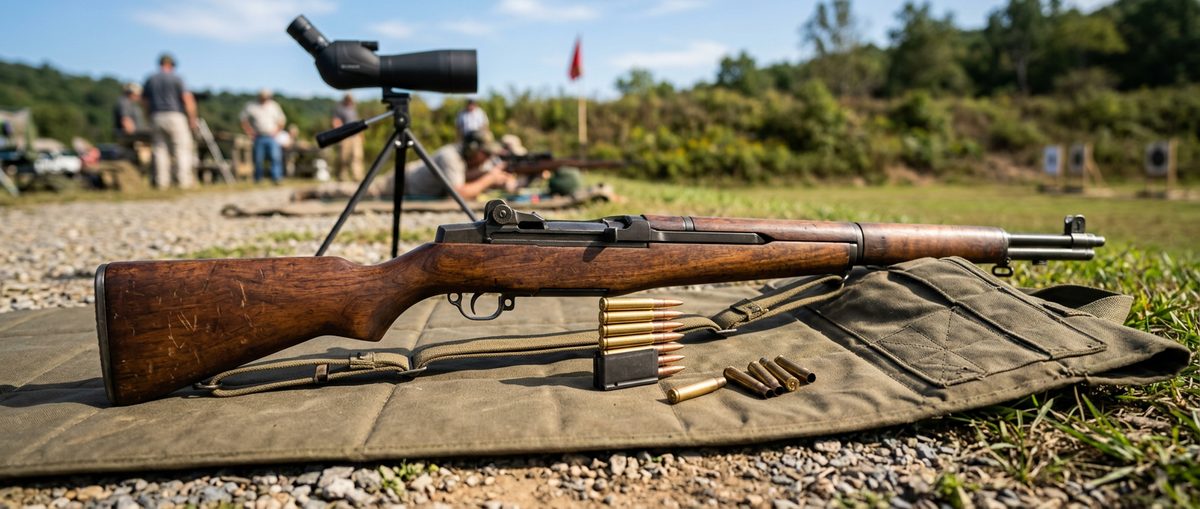
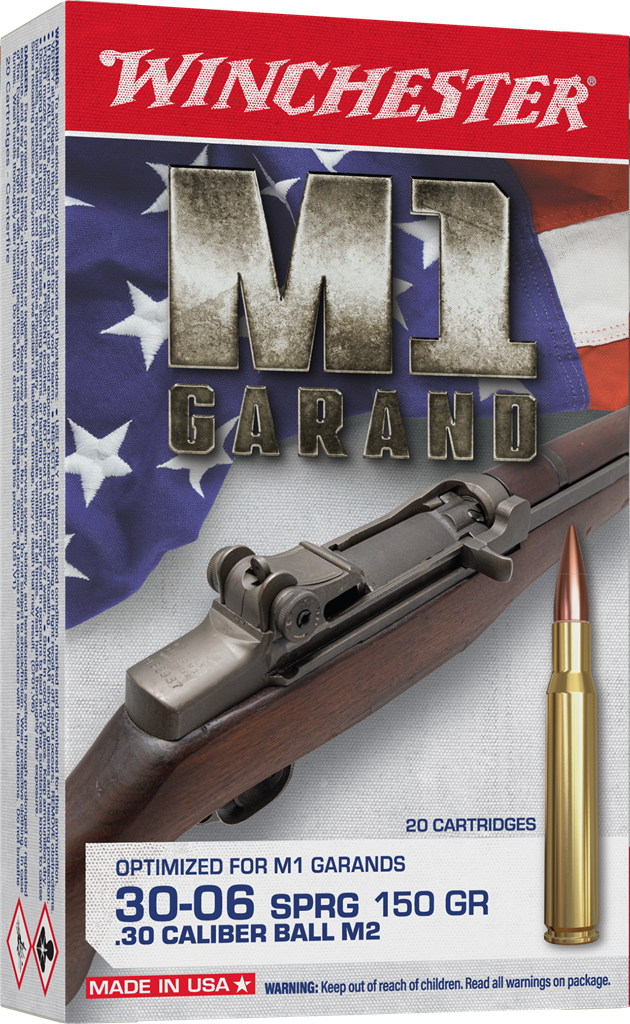
Some is, some may not be. The Garand is gas operated, and the Civilian Marksmanship Program’s guidance is to use commercial 30-06 that the manufacturer represents as “safe for use in all rifles including semiautomatics,” and to check the maker’s site for compatibility. Federal, for one, sells a 150-grain load made for the Garand. When in doubt, email CMP’s armorers or ask your gunsmith before you shoot hunting loads through it.
Recoil
A .30-06 kicks more than a .308. In our rifle recoil chart, calculated with SAAMI’s formula, a 180-grain .30-06 load comes out at 29.0 ft-lb of recoil in a 7-pound rifle, against 23.3 ft-lb for a 168-grain .308. A good recoil pad and a proper fit make a bigger difference than most people expect.
To see the .30-06 Springfield beside 25 other rifle cartridges at true scale, with SAAMI case lengths and bullet diameters, use my rifle caliber chart.
Frequently Asked Questions
Should I shoot 150 or 180 grain 30-06?
Federal sells both Power-Shok loads for big game. The 150 grain is faster at the muzzle; the 180 grain carries more energy at 300 yards, 1,671 ft-lb against 1,442.
Is 30-06 the same as 308?
No. They fire the same .308 inch bullet, but the .30-06 case is 2.494 inches and the .308 case is 2.015 inches. They are not interchangeable.
How far can a 30-06 shoot?
Federal publishes its Power-Shok ballistics out to 300 yards and beyond. Your effective range comes down to your skill, your rifle and the game, so practice at the distances you plan to shoot.
Can I shoot 30-06 in an M1 Garand?
Use loads the manufacturer represents as safe for semiautomatic rifles, as the Civilian Marksmanship Program advises.
Pick the bullet weight for the game, confirm it on the maker’s page if it is going in a Garand, and zero it with the exact load you hunt with. That is all the .30-06 has ever asked for. Our cost per round calculator will price a season’s worth.
Sources: ANSI/SAAMI cartridge dimensions and pressures, as compiled in the Popular Ammo rifle caliber chart; Federal Premium, Power-Shok 30-06 3006A and 3006B product pages; Civilian Marksmanship Program, “Commercial Ammo” (July 2014); Guns.com review of Federal 150 grain 30-06 Garand ammo; Popular Ammo rifle recoil chart.


Ammunition reference desk
Three charts readers come back to: what a round costs today, what a cartridge name really measures, and what shipping and tax add.
| .22 LR | 6.59¢ |
| 9mm Luger | 26.98¢ |
| 5.56 NATO | 44.95¢ |
| .270 Win | .278 in |
| .30-30 Win | .309 in |
| .308 Win | .309 in |
| Case price | $269.80 |
| Shipping and tax | +$18.89 |
| Per round | 28.87¢ |
Reader Favorites