Does Ammo Expire? Shelf Life, Storage and Warning Signs
Does ammo expire? Federal and Remington give properly stored ammo a 10-year shelf life, while SAAMI sets no age limit at all.
Originally published: October 23, 2026
Safety and legal note. Know your target and what is beyond it, every time. Never fire a round you suspect is damaged, and keep the muzzle pointed in a safe direction after any failure to fire. Dispose of ammunition only as federal, state and local rules allow. Popular Ammo has no affiliate or paid relationship with any maker named here.
Does ammo expire? Ammunition (ammo, to most of us) has a shelf life, and Federal and Remington both put it at 10 years for ammo that is stored properly. The distinction that matters is calendar versus condition, because SAAMI, the industry’s standards body, sets no age limit and judges a round by what heat, moisture and chemicals have done to it. A corroded, dented or loose round stays out of the gun at any age.
Every fall the same box comes back out of hiding, half full and a season older, from a closet, a truck console or a garage shelf. So is it still good? The box will not tell you, but the brass, the primer and the way the round chambers will.
Ammo Shelf Life at a Glance
- The number: 10 years for properly stored ammo, per Federal and Remington. SAAMI sets no age limit.
- What ages it: heat, humidity, oil and solvents, and long stretches in a hot vehicle.
- Storage: cool and dry, in the factory box, away from chemicals and flame, apart from the guns.
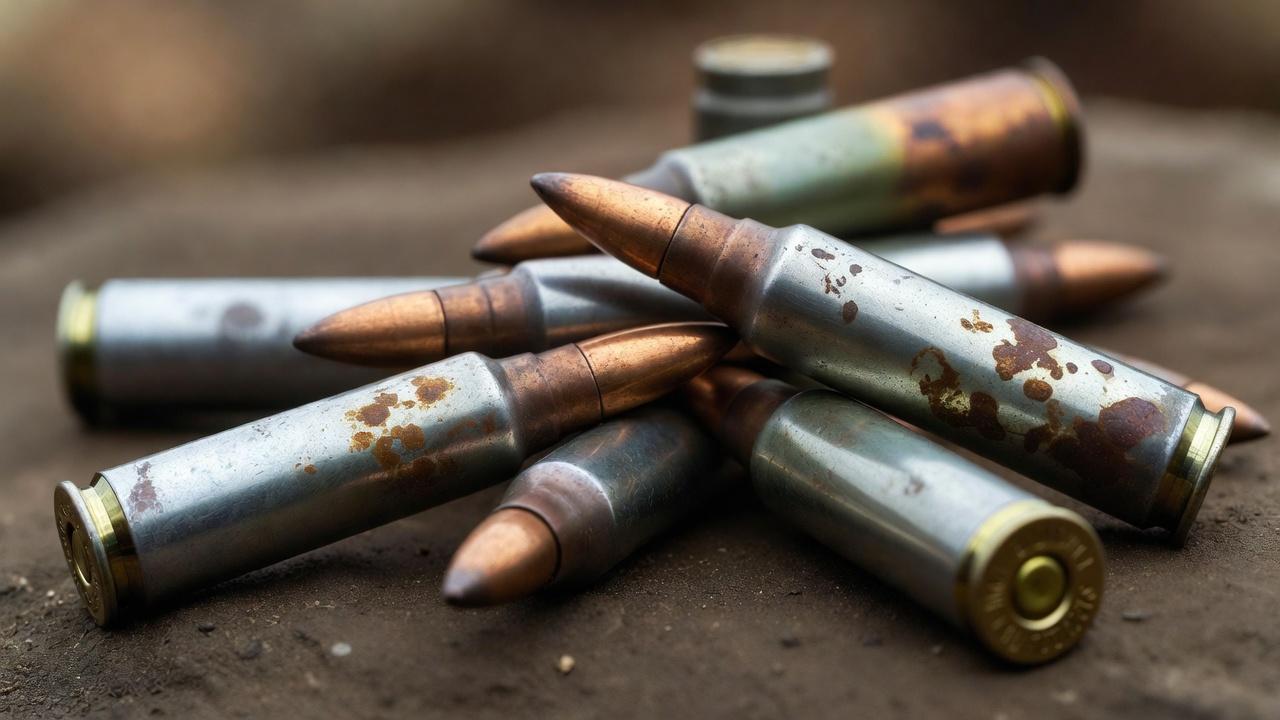
- Bad signs: corrosion, deep dents, a loose bullet, a hangfire or a squib.
- Disposal: through local law enforcement or a hazmat facility. Submerged ammo is not salvaged.
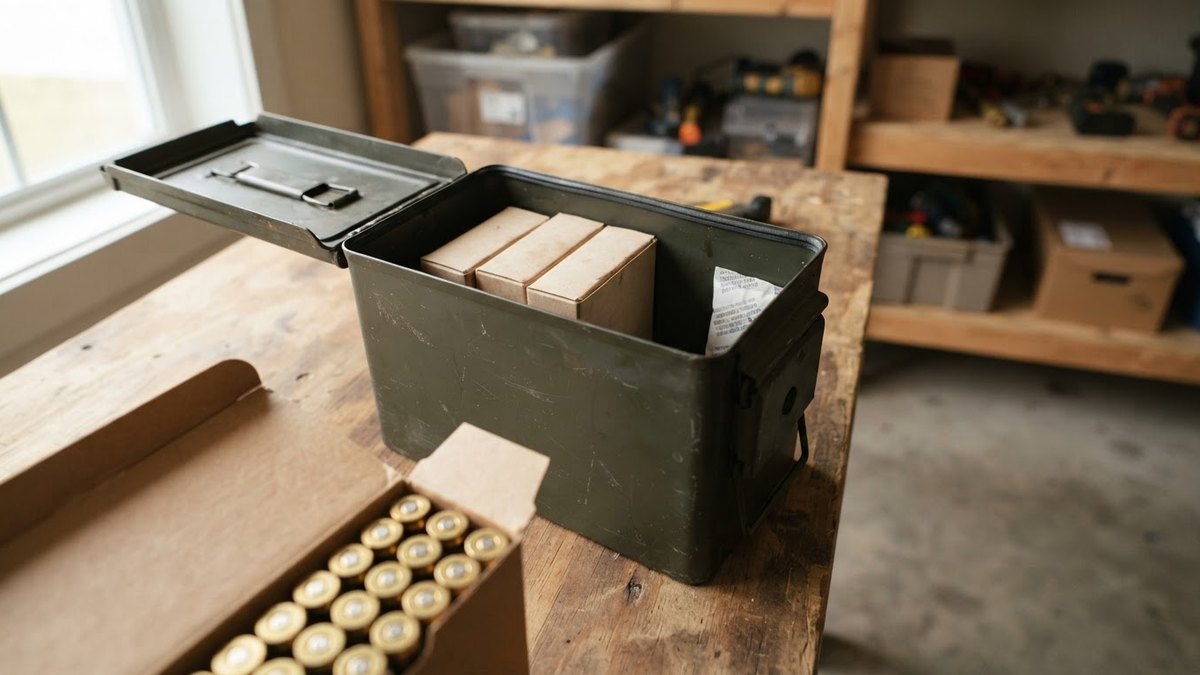
Does Ammo Expire? What the Makers Say
Ask me “does ammo expire?” and I send you to the makers first, because a company’s own FAQ is where it has to put its name on an answer. Here is what each one says, word for word.
| Maker | What its own page says | Years | Page |
|---|---|---|---|
| Federal | “If stored properly, loaded ammunition and reloading components have a 10-year shelf life.” | 10 | Federal FAQ |
| Remington | “The shelf life of properly stored ammunition is approximately 10 years.” | About 10 | Remington FAQ |
| Speer | “We recommend storing ammunition in cool and dry conditions in original packaging.” | No number | Speer FAQ |
| HSM | “Properly stored ammunition can remain reliable for many years.” | “Many years” | HSM FAQ |
| Hornady | No shelf-life answer among the 75 questions on its FAQ pages. | Not addressed | Hornady FAQ |
| CCI | No shelf-life answer on its FAQ page. | Not addressed | CCI FAQ |
| Winchester | No FAQ page on its site; its support form takes misfire and squib complaints. | Not addressed | Winchester support |
Quotes are from each maker’s own FAQ; “not addressed” means I read every question and found no shelf-life answer. Federal’s and Remington’s pages share much of their wording (both route orders through The Kinetic Group Sales), so the matching 10 years is one company family’s answer, not two tests.
Notice the condition hanging on every number: stored properly. Remington adds a line worth reading twice: “poor storage conditions, such as a humid or corrosive atmosphere, could cause product damage immediately.”

Ammo Storage: What Shortens Shelf Life
SAAMI’s storage publication says factory-fresh ammo “will function properly in conditions ranging from dry arctic regions to tropical rainforests.” The catch is the next clause: “extended exposure to high temperatures and/or high humidity may damage ammunition.”
| Factor | What it does to ammo | What to do | Source |
|---|---|---|---|
| Heat | Pressure can run high or low; powder and primers can degrade without igniting. | Store it cool. Dispose of ammo that may have seen more than about 200°F. | SAAMI storage; SAAMI fire |
| Humidity and water | Failure to fire, incomplete burning or delayed firing. | Store it dry; wipe wet rounds right away. MTM suggests 30% to 50% relative humidity. | SAAMI storage; SAAMI water; MTM |
| Oil and solvents | Corroded cases, hard chambering, misfiring primers. | Store ammo away from chemicals; keep oil off the primers. | SAAMI storage; SAAMI primers |
| Sunlight and vehicles | Can speed up deterioration of the powder. | No extended stays in a vehicle, trunk included; keep boxes out of direct sun. | SAAMI storage; Federal FAQ |
| Rimfire | Much more susceptible to moisture damage than other types. | Keep it out of rain, snow and wet ground; give it the driest spot. | SAAMI water |
| Handloads and components | Bad powder smells acidic, like vinegar; wet or oily primers can misfire. | Primers dry, under 150°F, in factory containers. Never salvage powder from old cartridges. | SAAMI primers; SAAMI powder |
Rows condense five SAAMI publications and the pages named; SAAMI is also the source behind this site’s pressure numbers, as how I get these numbers explains. The humidity range is MTM’s (it makes ammo cans), because none of those SAAMI publications gives one.
Heat is the one I worry about, because it works quietly. SAAMI’s fire guidance lays out the chemistry: breaking-down powder releases acids, stabilizers neutralize them, and excessive heat can use the stabilizer up. That round can look perfect and still be off on pressure, and SAAMI says there is no easy way for a consumer to tell.
How Long Does Ammo Last?
How long does ammo last, then? Storage is the whole story. SAAMI’s powder guide says modern smokeless powders “contain stabilizers and are basically free from deterioration under proper storage conditions.” Take the good storage away and the clock speeds up.
In over 20 years as a professional in the firearms industry, I have settled on splitting this question in two. Carry and hunting ammo goes by the maker’s number: past 10 years, or with a history I do not know, it gets replaced, because those rounds have one job and it is the first shot. Range ammo goes by SAAMI’s test, which is condition, not age: “Inspect ammunition prior to use,” and any round with corrosion, deep dents or scratches gets disposed of, not fired.
Remington is stricter. Its FAQ sends ammunition “older than shelf life” to your local authorities for disposal, and on its own product that is the safest reading there is. SAAMI’s tiebreaker covers the rest: “If in doubt, do not chamber or fire the ammunition.”
Carry ammo also wears out from handling. SAAMI warns that rechambering the same round “can push the projectile deeper into the case, reducing internal case volume and increasing chamber pressure,” and Speer says it can loosen the bullet. Speer’s fix: “Replace the top round on a regular basis.”
Signs Your Ammo Has Gone Bad
Does ammunition go bad? It can, and SAAMI’s rule is short: “DO NOT use ammunition that has been damaged or suspected to be damaged.”
| Sign | What it means | What to do | Source |
|---|---|---|---|
| Corrosion on the case | A weakened case, or one that is hard or impossible to chamber. | Do not chamber it. Set it aside for disposal. | SAAMI storage |
| Loose or pushed-in bullet | A deeper bullet raises pressure; a loose one may fall out. | Do not fire it. Rotate carry rounds. | SAAMI storage; Speer FAQ |
| Deep dents or a hard chamber | Physical damage. Never fire a round that needs abnormal force to close the bolt. | Do not force it. Unload it and set it aside. | SAAMI storage |
| Hangfire (the shot comes late) | A delay of abnormal duration; the round does eventually fire. Moisture or chemicals can cause it. | Muzzle safe, wait, then unload and check the bore. | SAAMI FAQ; SAAMI glossary |
| Squib (the shot sounds weak) | Velocity and sound substantially lower than normal; the bullet may be stuck in the bore. | Stop. Unload and confirm the barrel is clear before the next round. | SAAMI glossary; SAAMI rules |
Hangfires and squibs belong in a storage article because SAAMI ties delayed firing to moisture or chemicals inside the cartridge, and a stuck bullet to water damage or heat-degraded powder.
What to Do After a Hangfire or Squib
A round that does not go bang is the most dangerous moment in this article, because a hangfire is a round that WILL fire, just late. Here is SAAMI’s procedure, word for word:
- Keep muzzle pointed in a safe direction.
- Wait several seconds.
- With muzzle still pointed in a safe direction, if possible, place safety in “ON” or “Safe” position.
- With muzzle pointed in a safe direction and while protecting yourself and others from exposure to the breech area of the firearm, remove the magazine (if applicable), open action quickly and remove the misfired round from chamber.
- Remove all ammunition from the firearm and check to be sure bore is clear and unobstructed.
- If you experience repeated failures to fire, consult the manufacturer, the manufacturer’s authorized repair center, or a qualified gunsmith to determine the cause of misfires. Do not use the firearm until it is repaired.

HSM, the Montana ammunition maker, stretches step two to “at least 30 seconds.” I go with the longer wait every time (thirty seconds feels like a week, and it is still cheaper than the alternative).
A squib gets one more rule: no second shot until you have looked down that bore. SAAMI’s eighth safety rule is “Be sure the barrel is clear of obstructions before shooting.” A weak round can leave the bullet “lodged in the bore,” and SAAMI warns that firing into that obstruction could lead to catastrophic failure. If a bullet is stuck, bring the gun to a gunsmith.
Then keep the box. Winchester’s support form asks for the lot number on misfire and squib complaints, and HSM says to keep “the remaining ammunition, original packaging and proof of purchase.”
Corrosive Military Surplus
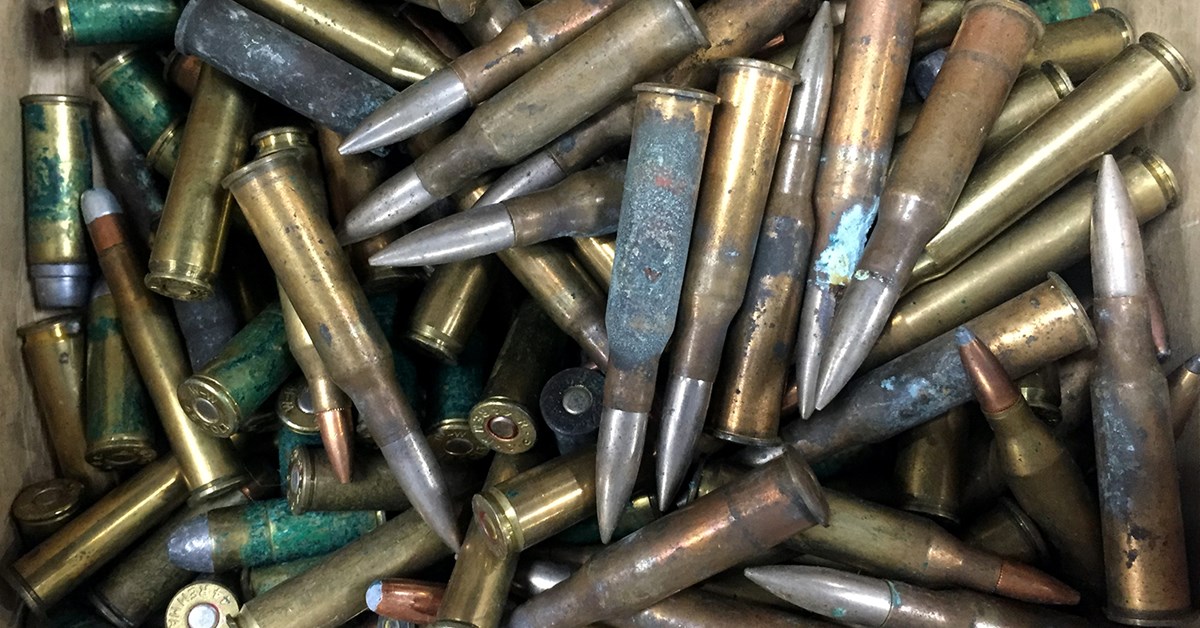
SAAMI’s glossary defines a corrosive primer as “a priming mixture that contained compounds of chlorine and oxygen generally used in military ammunition made before 1952.” Then comes the part that matters: “The residues are hygroscopic and, therefore, promote rusting.” In plain English, the residue pulls moisture out of the air, and it sits in your bore after the shot.
So the trouble lives mostly in the gun, not the box. If you shoot it, the bore gets cleaned that same day. Remember the math, too: anything made before 1952 is more than 70 years old, far past any maker’s shelf-life number.
Ammo Cans and Desiccant
The other half of “does ammo expire” is what you keep it in, and here the advice splits. SAAMI says “original packaging or other packaging designed for the purpose,” Remington says the factory carton, and Speer says original packaging. MTM, which makes ammo cans, says to avoid storing ammo long-term “in cardboard boxes or loose factory packaging, as these materials can absorb moisture.”
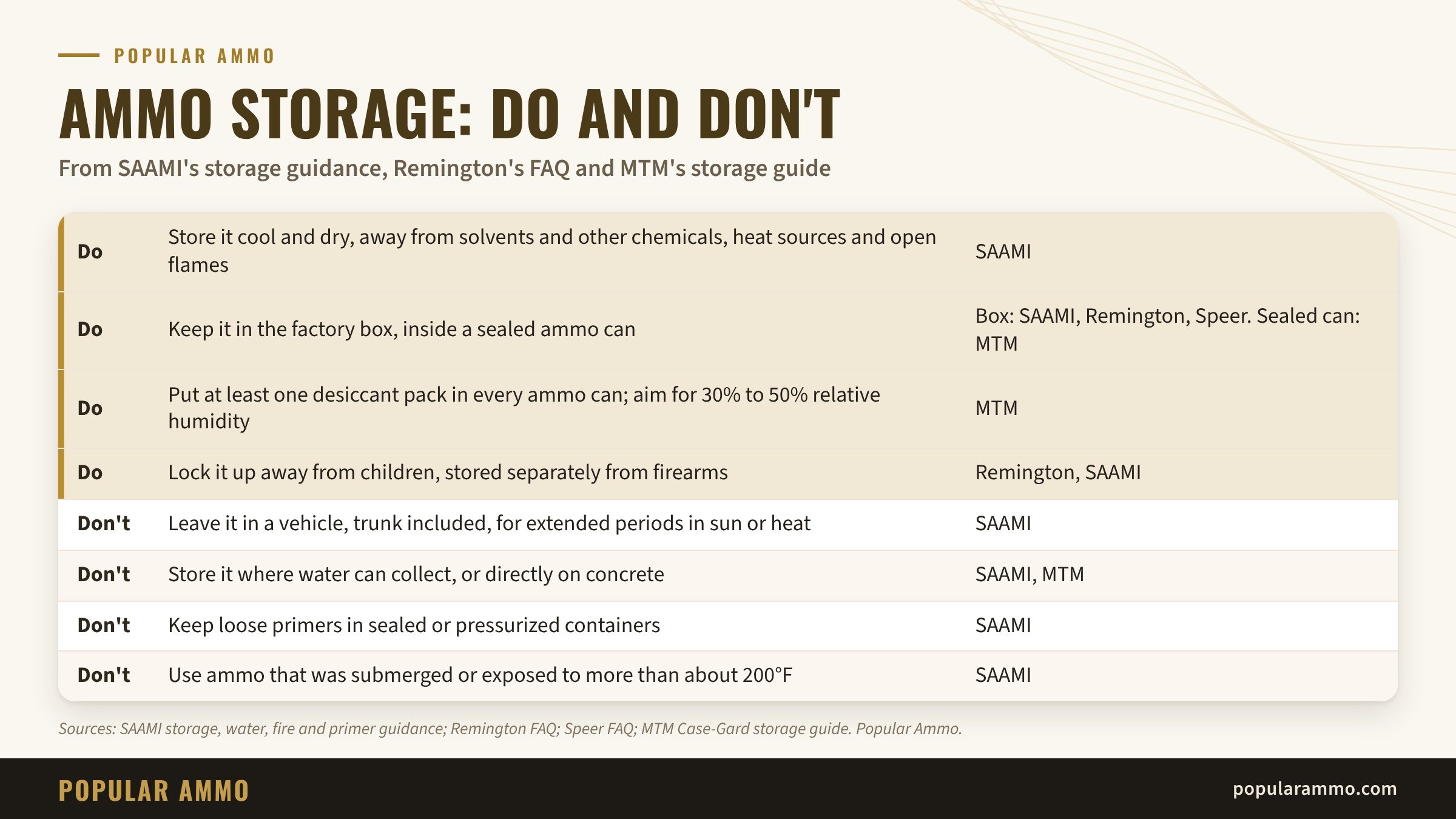
I square it this way: the factory box goes inside a sealed ammo can. You keep the labeling Remington cares about, and the seal keeps out the moisture MTM worries about. MTM also says to put “at least one desiccant pack inside every ammo can,” keep containers off concrete floors, and run first-in, first-out with purchase dates on the label.
Two warnings ride along. MTM’s ammo can page calls its seal “water-resistant” and the box “Non-submersible,” so a flooded basement still wins. And SAAMI “recommends against storing primers in sealed or pressurized containers,” so loose primers stay in their factory packs. Wherever it lives, Remington wants ammo in a locked closet or cabinet away from children and firearms, and SAAMI says to store it separately from firearms.
Getting Rid of Ammo You Do Not Trust
None of the pages I read says to put ammunition in the household trash. SAAMI says to dispose of it “in accordance with Federal, State, and Local Regulations” and that local law enforcement, the fire department or a shooting facility may help. Federal and Remington say to contact your local hazmat facility.
Two situations skip inspection entirely. For submerged ammo, SAAMI’s answer is “to NOT attempt to salvage or otherwise use previously submerged ammunition,” and not to ship it back to the maker. For ammo exposed to fire or above about 200°F, SAAMI says dispose of it: “The fact a round did not initiate during a fire should not be taken as a sign that the product is not deteriorated.”
Before a box goes, price its replacement. Our cost per round calculator adds shipping and tax, and when I checked our ammo price history on October 9, 2026, the cheapest brass-case 9mm case it tracks was 26.98 cents a round. If you stocked up during a shortage, our ammo shortage tracker follows what the shelf costs.
Frequently Asked Questions
Does ammo go bad if it gets wet?
Light rain is survivable for centerfire and shotgun ammo if you wipe it dry immediately, SAAMI says. Fully submerged ammo should not be used at all, and do not dry soaked rounds with heat: SAAMI warns direct heat can degrade the powder, which can make the round unsafe to fire.
How long does ammo last in a car?
SAAMI puts no number of days on it. Its guidelines say not to leave ammunition in a vehicle “for extended periods in direct sunlight or at elevated temperatures.” If your carry ammo lives in a vehicle, rotate it on a schedule.
Is 30-year-old ammo safe to shoot?
Thirty years is three times the longest number any maker I checked will put in writing. With no SAAMI age limit, a round that old passes on condition alone: no corrosion, no deep dents, and no force needed to chamber it. In my book it goes to the range, never into a carry gun or a hunting rifle.
Does rimfire ammo go bad faster?
In damp storage, yes. SAAMI blames “the unique construction of the cartridges”: its glossary says a rimfire’s rim holds the priming mix in a cavity. No maker I checked gives rimfire a shorter shelf-life number, so the difference is moisture tolerance, not a date. Our 22 LR vs 22 Magnum comparison covers the cartridges themselves.
How should you store ammo long term?
Cool, dry and boring: the factory box in a sealed ammo can with desiccant, off the concrete, away from solvents and flame, locked up apart from the guns. Date the ammo can, shoot the oldest first, and look it all over before every season.
Does ammo expire? Give it a cool, dry box and two makers will stand behind 10 years; give it a summer in the truck and nobody will. Check your stash before opening day, pull anything corroded, dented or loose, and let the rejects retire before they ruin a hunt (or a barrel).
Sources: SAAMI, “Recommendations for Safe Ammunition Storage and Handling”; SAAMI, “Guidance on Ammunition That Has Been Submerged in Water”; SAAMI, “Guidance on Firearms, Ammunition and Smokeless Propellant Exposed to Fire”; SAAMI, “Sporting Ammunition Primers”; SAAMI, “Smokeless Powder”; SAAMI, “FAQs”; SAAMI, “Glossary”; Federal, “FAQ”; Remington, “FAQ”; Speer, “FAQ”; HSM Ammunition, “FAQs”; MTM Case-Gard, “Ammo Storage Guide”.


Ammunition reference desk
Three charts readers come back to: what a round costs today, what a cartridge name really measures, and what shipping and tax add.
| .22 LR | 6.59¢ |
| 9mm Luger | 26.98¢ |
| 5.56 NATO | 44.95¢ |
| .270 Win | .278 in |
| .30-30 Win | .309 in |
| .308 Win | .309 in |
| Case price | $269.80 |
| Shipping and tax | +$18.89 |
| Per round | 28.87¢ |
Reader Favorites