Shotgun Shot Size Chart: What Shot for Every Bird and Deer
Shotgun shot size chart picks run by bird: #7½ or #8 for doves, #5 or #6 lead for pheasant, #6 to #2 steel for ducks, #4 to #6 for turkey.
Originally published: October 25, 2026
Safety and legal note. Know your target and what is beyond it, every time. Federal law requires non-toxic shot for ducks, geese and coots everywhere in the United States, and states and refuges add their own shot-size and non-toxic rules, so check your state’s hunting regulations before the season. Popular Ammo has no affiliate or paid relationship with any maker named here.
Basically to break it down shotgun shot size refers to the diameter of the individual pellets (or the single projectile in the case of a slug) packed inside a shotshell, and the numbering system can feel counterintuitive at first: the higher the number, the smaller the pellet. Smaller pellets create denser patterns that are ideal for hitting small, fast-moving targets like doves or clay pigeons at closer ranges, while larger pellets carry more weight and energy for better penetration and longer-range performance on bigger birds such as ducks, geese, or turkeys, and even larger buckshot or slugs are reserved for deer and other big game. Each size is specialized for a particular quarry, distance, and hunting situation, which is why a comprehensive shot size chart is so useful for matching the right load to every bird and deer you might pursue.
Shot Size at a Glance
- Bigger number, smaller pellet: a #8 is 0.090 inch across, a #2 is 0.150 inch, per SAAMI.
- Ducks and geese: non-toxic shot only, under federal rule 50 CFR 20.21(j), nationwide since 1991.
- Steel is lighter: an ounce of #4 steel holds 191 pellets against 134 to 139 in lead.
- Turkey: #4, #5 or #6 lead, and Missouri warns against shots past 40 yards.
- Deer: 00 buckshot where it is legal; Pennsylvania bans buckshot for deer outside special-permit hunts.
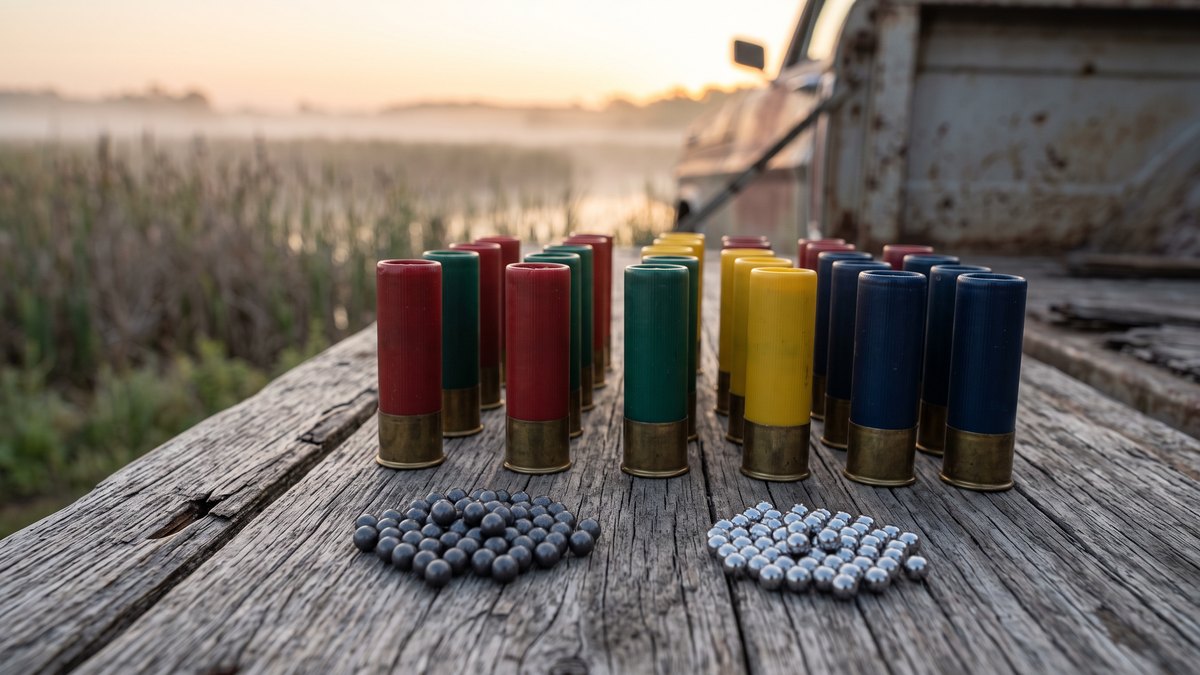
Shotgun Shot Size Chart by Game
Having worked in a gun store for years, one of the questions that comes up all the time from shotgun hunters, especially novices, is what the different shot sizes actually mean and which ones work best for specific jobs. Smaller pellets create denser patterns ideal for small birds and close-range targets, while larger pellets deliver more energy and penetration for bigger birds, turkeys, or even deer, and each size really does have tasks it handles better than the others. I’m constantly explaining the same basics over the counter, so I’ve put together a simple chart that breaks down exactly what each common shot size is best suited for.
| Game | Lead shot size | Steel or other non-toxic | Range note |
|---|---|---|---|
| Duck | Illegal: federal law requires non-toxic shot | #6 to #2 steel over decoys (#6 to #4 for teal); #2 to #1 for big ducks at long range | 20 to 45 yd over decoys; 45 to 65 yd long |
| Goose | Illegal: federal law requires non-toxic shot | #2 to BB for snows and small Canadas over decoys; BB to BBB for big Canadas; BBB to T past 50 yd | 35 to 50 yd over decoys; 50 to 70 yd long |
| Pheasant | #5 or #6 | #3 to #2 steel | 20 to 50 yd |
| Dove | #7½ or #8 | #8 to #7 steel | 20 to 45 yd |
| Quail | #7½ or #8 | #8 to #7 steel | 20 to 30 yd |
| Turkey | #4, #5 or #6 | #4 steel; tungsten (TSS) comes in #7 and #9 | 20 to 40 yd; Missouri advises no shots past 40 |
| Rabbit and squirrel | #5 or #6 | No steel size in the Roster table or Browning’s chart; Pennsylvania caps small game at No. 2 steel | No yardage given in Browning’s chart; pattern your gun |
| Deer (buckshot) | 00 buckshot (0.33 in), or a slug, where legal | Not required for deer even on federal Waterfowl Production Areas, unless state or refuge rules say so | Under 50 yd, closer to 30 to 40 in practice |
Steel sizes and yardages are from Tom Roster’s 2016 Nontoxic Shot Lethality Table as posted by North Dakota Game and Fish. Lead sizes are from Browning’s game selection chart and Fiocchi’s shot size guide; turkey lead sizes and the 40-yard advice are from the Missouri Department of Conservation. Buckshot range is from the Virginia Department of Wildlife Resources. Pellet diameters are SAAMI’s.

What the Numbers on the Box Mean
Shot size is a pellet diameter in inches, and the scale runs backwards: the bigger the number, the smaller the pellet. Our 12 gauge shotgun shells guide walks through the whole scale and the SAAMI standard behind it, so here is the short version for the field. A #8 is 0.090 inch, a #4 is 0.130 inch and a #2 is 0.150 inch. Past #1 the letters take over (B, BB, BBB, T), and buckshot starts its own scale where more zeros means a bigger ball.
Is a 2 shot bigger than a 4 shot? Yes, by 0.020 inch, which sounds like nothing until you count them. SAAMI’s own table puts 87 to 91 lead #2 pellets in an ounce and 134 to 139 lead #4s. The range in each count is not sloppiness (SAAMI calculates it at four levels of antimony, the hardening metal mixed into lead shot), and SAAMI says the count in a real shell will vary from its table.
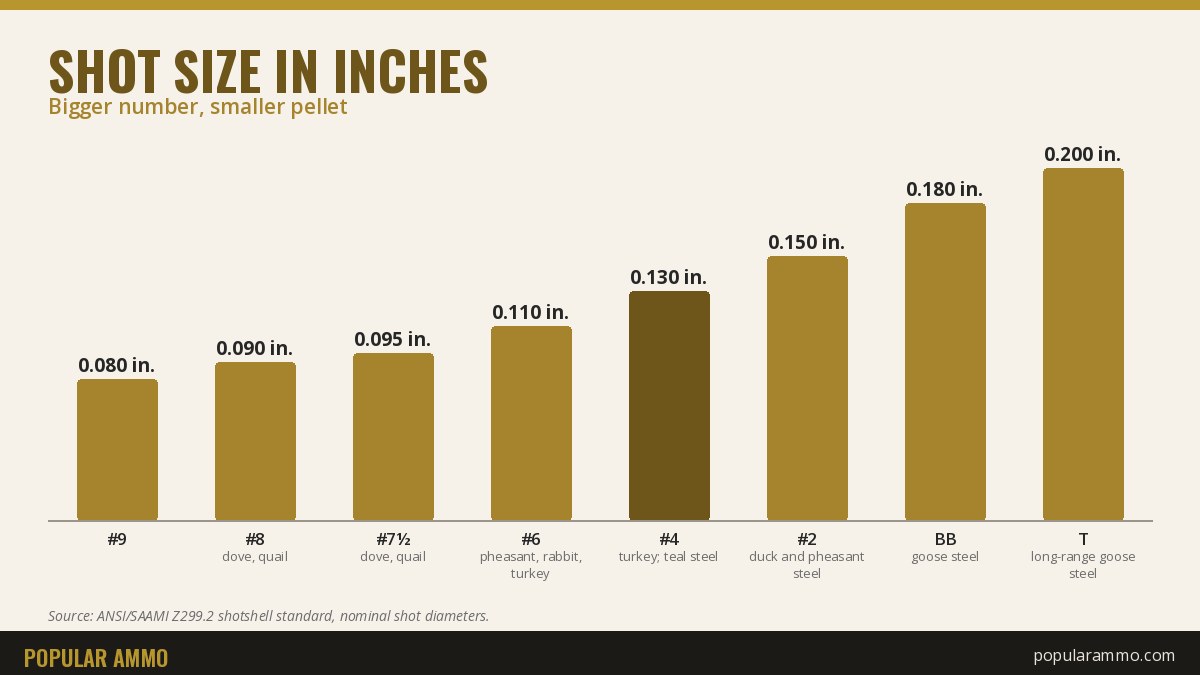
Shot Size Chart: Diameter and Pellets per Ounce
This is the table I wish came printed inside every box. One source for every column, the ANSI/SAAMI Z299.2 shotshell standard, so the lead and steel counts were figured the same way.
| Shot size | Diameter (in) | Lead pellets per oz | Steel pellets per oz |
|---|---|---|---|
| #9 | 0.080 | 576 to 599 | 821 |
| #8 | 0.090 | 404 to 421 | 577 |
| #7½ | 0.095 | 344 to 358 | 490 |
| #7 | 0.100 | 295 to 307 | 420 |
| #6 | 0.110 | 221 to 230 | 316 |
| #5 | 0.120 | 170 to 177 | 243 |
| #4 | 0.130 | 134 to 139 | 191 |
| #3 | 0.140 | 107 to 111 | 153 |
| #2 | 0.150 | 87 to 91 | 125 |
| #1 | 0.160 | 72 to 74 | 103 |
| BB | 0.180 | 50 to 52 | 72 |
| BBB | 0.190 | 43 to 44 | 61 |
| T | 0.200 | 36 to 38 | 53 |
The lead range runs from SAAMI’s 0.5% antimony column to its 6% column; harder shot has more pellets per ounce because each one weighs less. The steel column assumes SAAMI’s steel density of 0.284 pound per cubic inch. Both are calculated values, and SAAMI allows a real shell to miss its nominal count by 10% either way, so take the count for a specific load from its box.
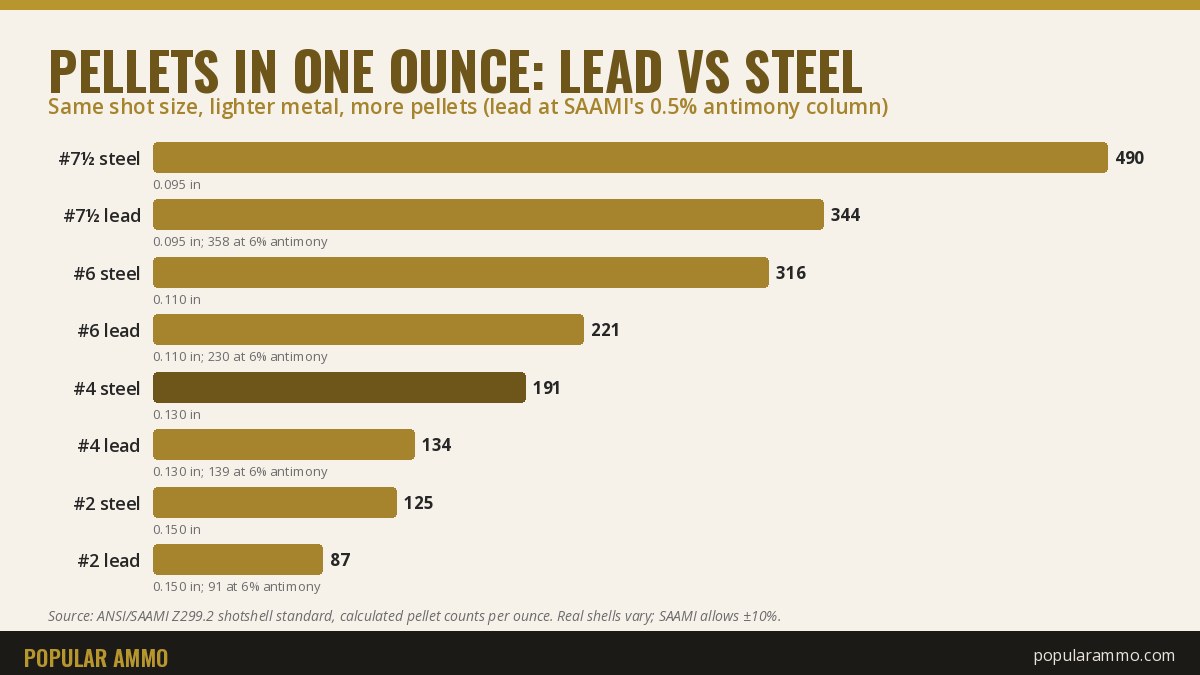
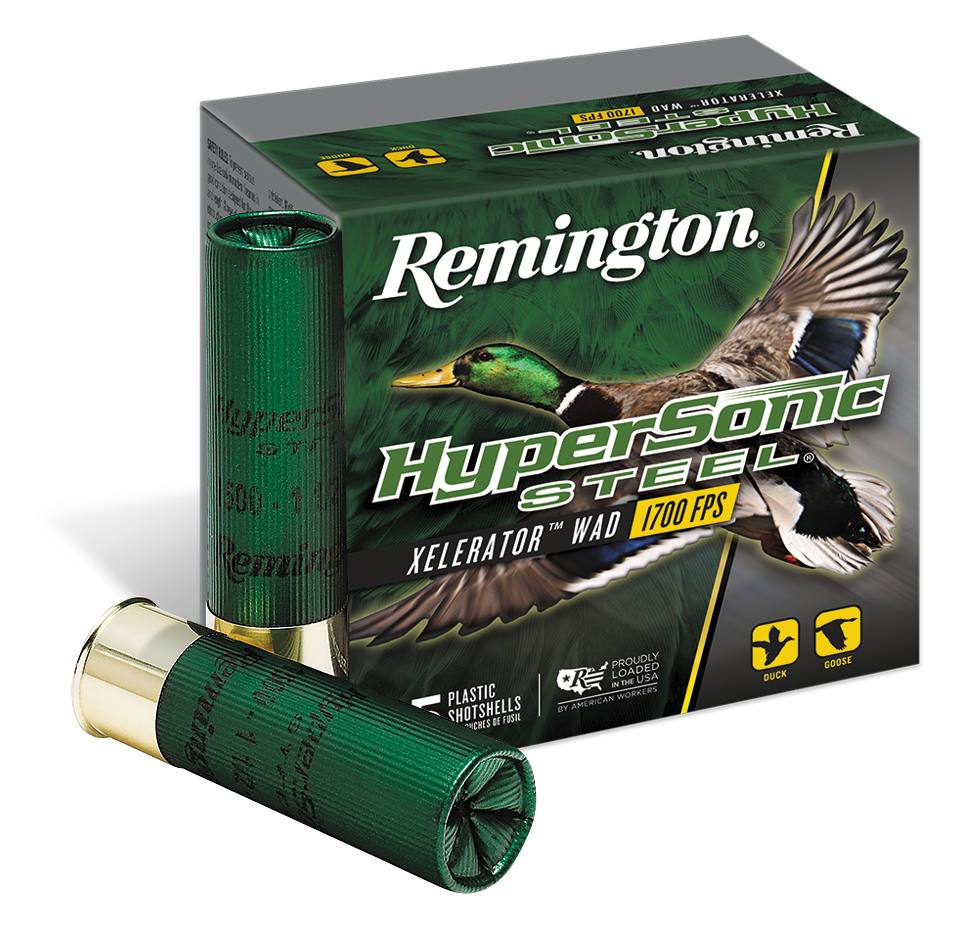
Steel vs Lead Shot Size
Steel is lighter than lead, and the pellet counts prove it: an ounce of #4 steel holds 191 pellets, about 40% more than lead’s 134 to 139, because each steel pellet weighs less. A lighter pellet sheds speed faster and hits softer at the same size, which is why steel loads run a size or more bigger for the same bird.
How much bigger? You will hear “go up one or two sizes” at every gun counter in America, and Fiocchi writes that hunters often do exactly that. The published tables say it depends on the bird. For pheasant, Browning lists lead #5 and Roster’s steel table lists #3 to #2, so two or three sizes up. For doves, lead #7½ or #8 against steel #8 to #7 is about the same size. So use the table instead of the rule of thumb, and pattern the load you bought.
Tungsten is the other direction. Federal lists its Heavyweight TSS turkey shot at 18 grams per cubic centimeter (heavier than lead, which is why a tiny #9 still carries), sold in #7, #9 and mixed loads. Bismuth sits between steel and lead, and Federal’s own 12 gauge numbers for it are in our shells guide linked above.
Where Non-Toxic Shot Is the Law
Federal rule 50 CFR 20.21(j) bans taking ducks, geese (including brant), swans and coots with anything but approved non-toxic shot, and each approved type must contain less than 1% residual lead. Under 50 CFR 20.108, the whole country has been a non-toxic shot zone for waterfowl since September 1, 1991, including Alaska and Hawaii. Carrying lead shells while you hunt ducks is a federal violation, period.
Upland and small game are where the map gets patchy, and three examples show how far it reaches:
- Federal Waterfowl Production Areas: 50 CFR 32.2(k) allows only non-toxic shot in the field there and on other marked refuge areas, with lead slugs and shot still allowed for turkey and deer unless refuge or state rules say otherwise.
- California: Fish and Game Code § 3004.5 requires nonlead ammunition for taking all wildlife, and the Department of Fish and Wildlife confirms it has applied statewide since July 1, 2019.
- South Dakota: the 2026 hunting handbook requires non-toxic shot for all small game and waterfowl on Game Production Areas, state parks and federal refuge lands, but not on most Walk-In Areas when hunting pheasants, grouse or doves.
Rules also move the other way. Nine national wildlife refuges were set to phase out lead ammunition, lead fishing tackle or both on September 1, 2026, and the U.S. Fish and Wildlife Service rescinded that in its 2026–2027 refuge hunting rule; Popular Outdoorsman has the list of affected refuges. The waterfowl rule did not change.
What Shot Size for Ducks and Geese?
For ducks over decoys, steel #6 to #2 covers almost every bird inside 45 yards, with #6 to #4 for teal and other small ducks. Roster’s table names steel #3 the best all-around duck pellet and BBB the best for geese, and Federal’s own advice lands in the same place: 1⅛ ounce of #6 steel for teal at 30 yards and in, #2s for mallards, and #1, BB or BBB for geese over decoys.
Choke matters as much as pellet size here. Roster pairs improved cylinder with medium and big duck shots from 20 to 35 yards and modified from 35 to 45, and goes one step tighter for teal (his chokes are written in lead-shot terms). Federal wants 85 to 135 pellets in a 30-inch circle for ducks and 60 or more for geese, which is the number to check when you pattern.
Pheasant Shot Size and the Upland Birds
Pheasant shot size in lead is #5 on Browning’s chart and #6 or #5 on Fiocchi’s; in steel, Roster’s table says #3 to #2 from 20 to 50 yards, with #2 as his best performer. A rooster is a tough bird that often flushes going away (think of every late-season bird that got up at 35 yards), so I would rather carry the bigger end of each range.
Doves and quail go the other way. Both makers list #7½ or #8 in lead, and Roster lists #8 to #7 in steel, with doves stretching to 45 yards and quail held to 30. Our 20 gauge shells guide lists the upland loads still on the shelf if you carry the lighter gun.
Turkey Shot Size and State Limits
The Missouri Department of Conservation names #4, #5 and #6 as the common turkey sizes and says a shot past 40 yards is not recommended with any gauge. You are shooting for the head and neck, so pattern density beats pellet size, and Roster’s steel answer is #4 with 210 to 230 pellets in the pattern. Federal even sells its tungsten Heavyweight TSS as a .410 turkey load, in #7 and #9.
Some states write the shot size into law, so check your state’s turkey regulations before you buy shells:
- Missouri: shot no larger than No. 4, spring and fall (MDC turkey regulations).
- New York: shot no larger than #2 and no smaller than #9 (NYSDEC turkey regulations).
- Pennsylvania: no larger than No. 4 lead, No. 2 steel or No. 4 of other approved non-toxic shot, spring and fall (2026–27 Pennsylvania digest).
Buckshot for Deer
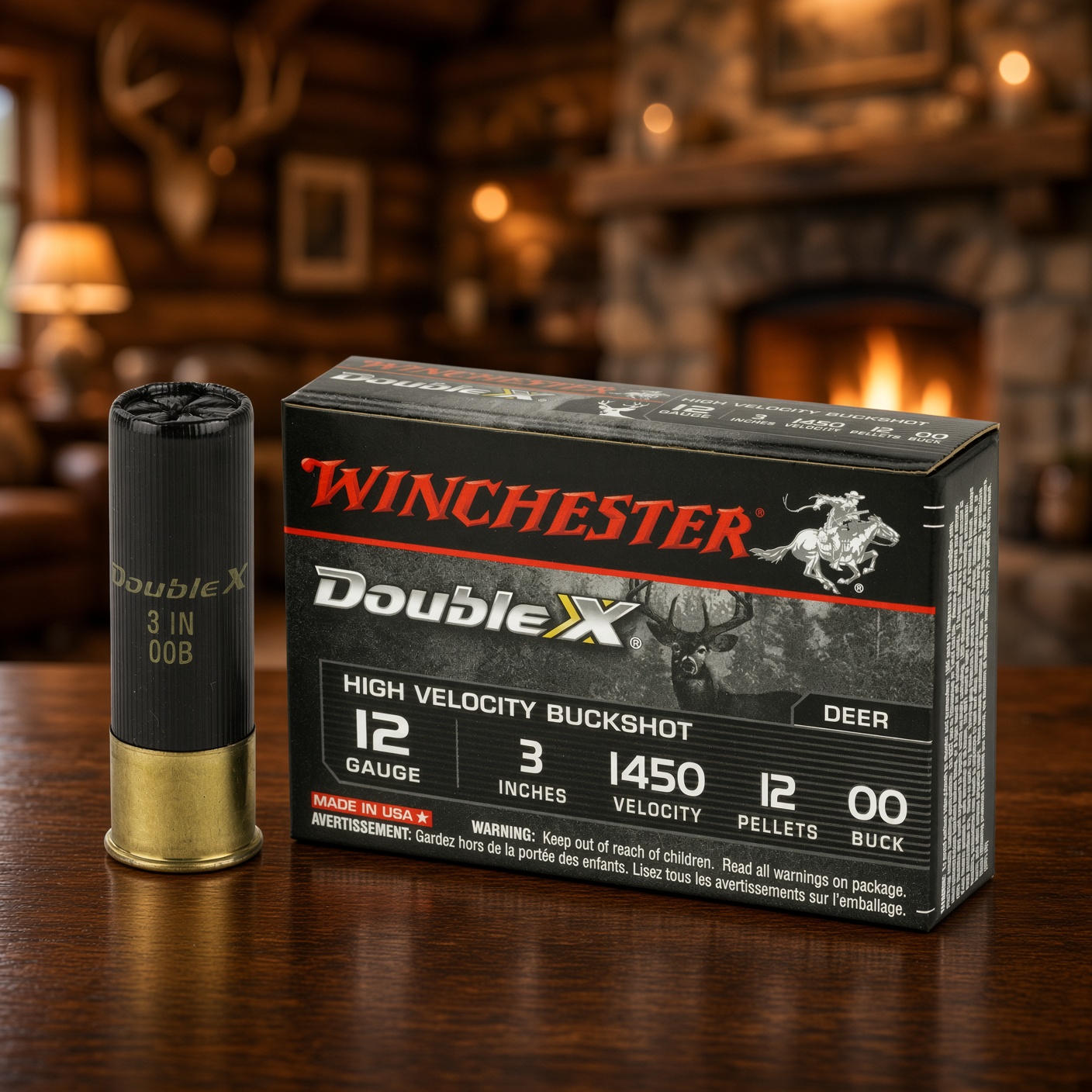
For deer with a smoothbore, Browning’s chart lists a rifled slug, a sabot or 00 buckshot, and 00 measures 0.33 inch per SAAMI. Our buckshot guide covers every size and pellet count and our 12 gauge slugs guide covers the slug side, so I will stick to the two things that trip people up. The first is range: the Virginia Department of Wildlife Resources puts buckshot’s effective range under 50 yards, “more in the 30-40-yard range.” The second is the law: Pennsylvania’s 2026–27 digest says buckshot is not legal for deer except in certain controlled hunts with a Game Commission permit. Your state may differ, so read the deer pages of the book before opener.
Frequently Asked Questions
What is #4 shot used for?
Lead #4 is a turkey size on Missouri’s list and on Browning’s turkey row, and steel #4 is Roster’s turkey answer and a teal-to-medium duck size over decoys. Do not confuse it with #4 buckshot, which is 0.24 inch and a different scale.
How big is #8 shot?
0.090 inch across, per SAAMI. An ounce holds 404 to 421 lead #8s or 577 steel #8s, which is why it is a dove and quail size and nothing larger.
Is 2 shot or 4 shot bigger?
#2 is bigger: 0.150 inch against 0.130 inch. On birdshot the smaller number is the bigger pellet, every time.
Can I use lead shot for doves?
Under federal law, yes, because doves are not in the waterfowl rule, but not everywhere. California requires nonlead ammunition statewide, federal Waterfowl Production Areas allow only non-toxic shot, and South Dakota requires it on its Game Production Areas.
Do I need a different shot size for a 20 gauge?
The pellet size for the bird stays the same; the 20 gauge just carries fewer of them. Federal suggests moving teal loads up to #4 steel in a 20 gauge, and our 12 gauge vs 20 gauge comparison lays out the payload difference.
So find your bird in the shotgun shot size chart up top, buy the size it lists in the metal your marsh or field allows, and pattern it at the distance in the last column. If your gun still prints a donut at 30 yards, that is the choke talking, not the shell (and no, buying a box of every size will not fix a choke problem).
Sources: SAAMI, “ANSI/SAAMI Z299.2 Shotshell Standard”; North Dakota Game and Fish, “Tom Roster’s 2016 Nontoxic Shot Lethality Table”; Browning, “What type of shotgun and ammo do I use for a particular game?”; Fiocchi, “Understanding Shotgun Shot Sizes”; Federal, “Best Shot Sizes for Ducks and Geese”; Federal, “Heavyweight TSS”; 50 CFR 20.21, nontoxic shot for migratory birds; 50 CFR 20.108, nontoxic shot zones; 50 CFR 32.2, refuge hunting rules; U.S. Fish and Wildlife Service, 2026–2027 station-specific hunting rule, 91 FR 56290; California Fish and Game Code § 3004.5 (public.law); California Department of Fish and Wildlife, “Nonlead Ammunition”; South Dakota Game, Fish and Parks, “2026 Hunting and Trapping Handbook”; Missouri Department of Conservation, “Turkey Hunting Equipment” and “Turkey: Regulations”; NYSDEC, “Turkey Hunting Regulations”; Pennsylvania Game Commission, “2026–27 Hunting and Trapping Digest”; Virginia DWR, “Buckshot for Whitetails!”.

Ammunition reference desk
Three charts readers come back to: what a round costs today, what a cartridge name really measures, and what shipping and tax add.
| .22 LR | 6.59¢ |
| 9mm Luger | 26.98¢ |
| 5.56 NATO | 44.95¢ |
| .270 Win | .278 in |
| .30-30 Win | .309 in |
| .308 Win | .309 in |
| Case price | $269.80 |
| Shipping and tax | +$18.89 |
| Per round | 28.87¢ |
Reader Favorites